
2026-10-17 ·
When to Replace Your Roof Before Winter Hits in Great Falls, MT
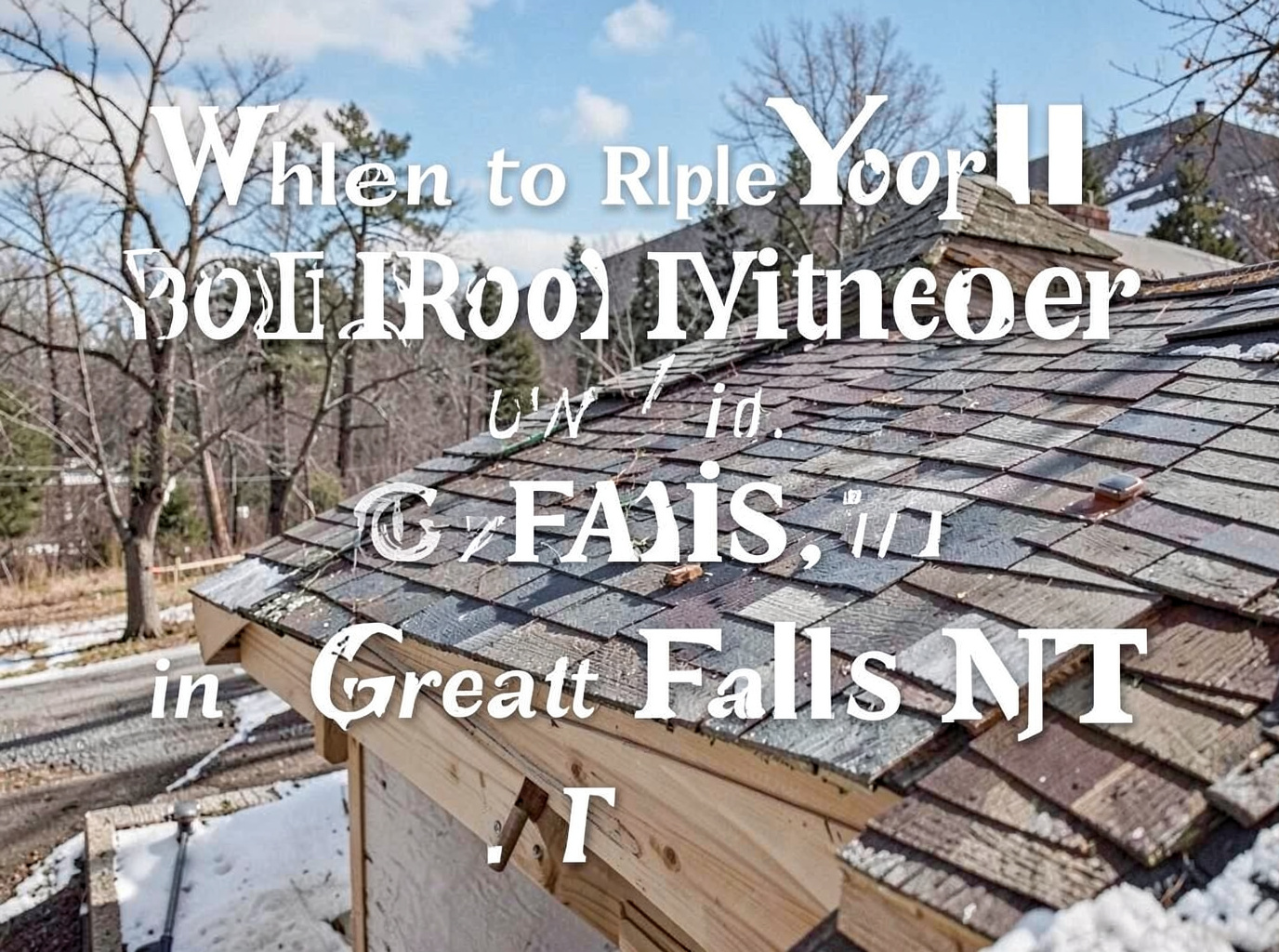
Replace your roof by early October in Great Falls to give crews time to finish before cold weather arrives and snow loads build on Cascade County homes. Waiting past mid-fall risks incomplete work when temperatures fall and materials become harder to handle on older stock common in Downtown Great Falls and West Great Falls.
Inspecting Your Roof in Late Summer
Schedule a roof inspection after a storm in August or September while access remains easy and before ice forms. Homes near Giant Springs and the C.M. Russell Museum often feature asphalt shingles installed 15–20 years ago that show granule loss and cracking after repeated freeze-thaw cycles. Check for sagging along eaves, daylight through attic boards, and water stains on ceilings. These signs appear first on south-facing slopes exposed to warm dry summers followed by sudden cold snaps. A thorough check now prevents leaks once winter sets in and crews cannot safely work on steep pitches common in Black Eagle.
Impact of Cold Winters on Roofs in Great Falls
Cascade County winters bring repeated freeze-thaw cycles that expand and contract shingles, leading to cracks that allow ice dams to form along gutters. Warm dry summers dry out underlayment, making it brittle when snow arrives from the direction of Helena. Homes in West Great Falls and near the Great Falls of the Missouri sit on flatter terrain where drifting snow piles against north walls, increasing load on aging decks. Metal flashing around chimneys and valleys fails faster here than in milder areas like Billings. Addressing these issues before November avoids interior damage when crews face shorter daylight and frozen materials.
Recommended Timeline for Replacement
Book asphalt shingle roof replacement or metal roofing installation between mid-August and early October when daytime temperatures stay above 50 degrees for proper adhesion. Start with a roof inspection after a storm to document hail or wind damage before winter. Crews can complete most single-story homes in West Great Falls in three to five days. Larger properties near Black Eagle may take a week. Delaying past October 15 often means waiting until spring because snow can arrive suddenly and halt work. This schedule keeps projects on track before the ground freezes and access to attics becomes limited.
Choosing Materials and Working With Local Conditions
Select impact-rated shingles or standing-seam metal that handles both summer UV and winter ice loads better than standard three-tab products used decades ago in Central Great Falls. Underlayment with high-temperature resistance prevents melting snow from backing up under shingles. Homeowners in areas like Black Eagle benefit from added ice-and-water shield along eaves because drifting occurs near the Missouri River corridor. These choices reduce callbacks once temperatures drop below freezing and crews move to indoor work. Discuss options during the inspection so the crew can order materials while weather windows remain open.
What Homeowners Can Expect During the Project
Expect crews to arrive between 8am and 6pm on weekdays or 9am to 2pm on Saturdays to complete tear-off and installation before weather changes. Debris removal happens daily to keep driveways clear in neighborhoods like Downtown Great Falls. Ventilation upgrades during replacement help manage attic moisture that builds during long winters. Once finished, the new roof withstands the first snow without leaks that commonly appear on older decks after the ground thaws. Planning now means the work finishes while daylight lasts and temperatures support proper sealing around penetrations.