
2026-10-17 ·
Metal Roofing and Other Options for Montana's Harsh Winters in Great Falls, MT
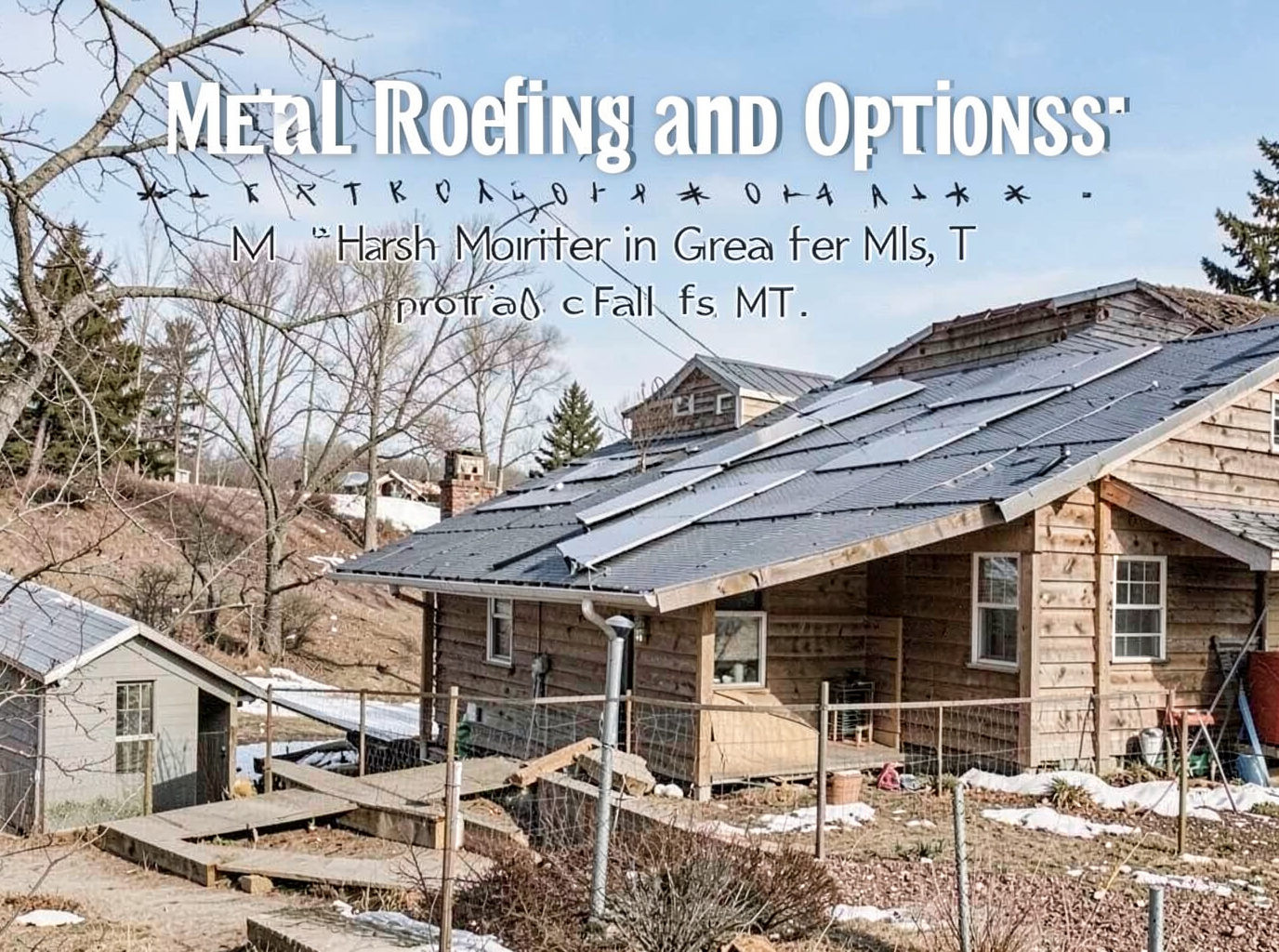
Metal roofing lasts 40-70 years in Great Falls winters while shedding heavy snow loads more effectively than asphalt shingles, which often fail after 15-20 years under repeated freeze-thaw cycles common in Cascade County.
Metal Roofing Performance in Great Falls Winters
Standing seam metal roofs handle the weight of snow that builds up along the Missouri River corridor and in Black Eagle without sagging, because the panels allow snow to slide off once temperatures rise above freezing during the day. Homeowners in West Great Falls and near Giant Springs report fewer ice dam issues after switching from older three-tab shingles. The material also resists the wind-driven snow that sweeps across the open terrain between Great Falls and Helena. Installation crews typically work from Mon–Fri 8am–6pm and Sat 9am–2pm to finish before the first major storm arrives. Metal roofing installation crews anchor panels to existing rafters in older stock built before 1970, which is common in Downtown Great Falls.
How Asphalt Shingles and Other Options Compare
Asphalt shingles remain popular in newer subdivisions south of the river but require more frequent repairs after the heavy wet snow typical in late March. Homeowners replacing roofs in Black Eagle often choose architectural shingles rated for 130 mph winds, yet these still collect ice along eaves when nights drop below 20°F. Clay or concrete tiles add weight that older rafters in Cascade County homes were not designed to carry. Wood shakes absorb moisture during spring thaws and need treatment every 3-5 years to avoid rot. Metal remains the clearest choice when the goal is minimizing winter callbacks. How wind, hail, and snow can affect roofs in Great Falls, MT outlines the specific load calculations used on local jobs.
Timing Replacement Before Winter Arrives
Inspect roofs in September before daytime highs fall below 50°F, because adhesive strips on new shingles need warm weather to seal properly. Properties near the C.M. Russell Museum and along the river often see earlier snow because of micro-climate effects from the water. Crews can complete a full roof replacement on a 1,800-square-foot home in three to four days when the schedule stays ahead of the first measurable snowfall. Waiting until November increases the chance of temporary tarping and added interior damage. When to replace your roof before winter hits in Great Falls, MT details the checklist used on homes in West Great Falls and Fox Farm.
Maintenance Practices That Extend Roof Life
Clear gutters after every major snow event to prevent ice dams along the north-facing slopes common in Central Great Falls. Check flashing around chimneys and skylights in spring once the ground thaws. Metal roofs need only an annual hose-down to remove pollen and cottonwood debris that collects during the warm dry summers. These steps keep systems performing through the temperature swings between Billings and Great Falls without requiring emergency calls outside normal business hours.